
Hardwood floors are surprisingly easy to maintain. They do not require complicated cleaning routines or a cabinet full of specialty products. A few good habits can help protect their warmth, character, and finish for many years.
The most important thing is knowing what to use, what to avoid, and how to prevent everyday dirt and moisture from damaging the floor. Here is a straightforward approach to caring for your hardwood floors.
Start with the Right Cleaning Supplies
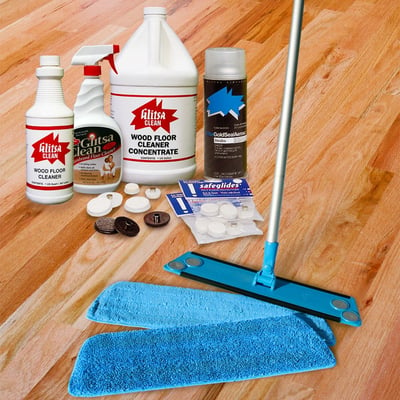
For everyday maintenance, we recommend a hardwood floor mop kit that includes a swivel mop, a spray cleaner made for wood floors, and separate covers for dusting and cleaning. The dusting cover collects loose dirt, grit, pet hair, and other particles that can scratch the finish when walked on. The cleaning cover can then be used with a small amount of approved hardwood floor cleaner to remove footprints, smudges, and light surface dirt.
Always follow the care instructions provided by your flooring professional or finish manufacturer. Products that are safe for one type of flooring may not be appropriate for another.
Dust or Vacuum Regularly
Dust and grit may seem harmless, but they can act like fine sandpaper under shoes, furniture, and area rugs. Regularly removing these particles is one of the easiest ways to protect your floor’s finish. Use a microfiber dust mop or a vacuum with a hard-floor setting and soft attachment. If your vacuum has a rotating beater bar, turn it off before using it on hardwood. Pay extra attention to entrances, kitchens, hallways, and other high-traffic areas where dirt tends to collect.
How often you need to clean will depend on your household. Homes with children, pets, or plenty of activity may need more frequent dusting than quieter spaces.
Use Moisture Sparingly
Water and wood are not a good combination. Hardwood floors should never be soaked, wet-mopped, or cleaned with a steam mop. Too much moisture can work its way between the boards and contribute to swelling, movement, finish damage, or discoloration. Instead, lightly mist an approved hardwood floor cleaner onto the cleaning pad or a small section of the floor. The mop should be damp enough to clean without leaving visible moisture behind.
Wipe up spills promptly with a clean, absorbent cloth. If the spill is sticky, use a slightly damp cloth, then a dry one. Pet accidents should also be cleaned as quickly as possible to help prevent staining and odors.
Avoid Products That Leave a Residue
Some common household cleaners can make hardwood floors look cloudy, greasy, or dull. Oil soaps, waxes, furniture polish, abrasive cleaners, and products containing ammonia can leave residues or affect the finish. Those residues can also make future maintenance more difficult. In some cases, they may interfere with the adhesion of a maintenance coat that could otherwise renew and protect the floor.
More cleaner does not produce a cleaner floor. Use the recommended product and amount, and resist the urge to mix cleaners or try a homemade solution without first checking that it is appropriate for your floor.
Stop Dirt and Moisture at the Door
A large portion of floor care happens before dirt ever reaches the hardwood. Place mats at exterior doors to catch water, sand, road salt, and grit. During wet or snowy weather, provide a place for shoes and boots to dry without sitting directly on the floor. Choose mats and rug pads that are approved for hardwood floors. Some rubber or latex backings can trap moisture, react with the finish, or cause discoloration.
Removing outdoor shoes can also reduce the amount of grit carried through the house. High heels, cleats, and damaged shoe soles can place considerable pressure on a small area and may dent or mark the wood.
Protect Floors from Furniture and Pets
Attach clean felt pads to the legs of chairs, tables, sofas, and other furniture. Check them periodically because pads can wear down or collect grit over time. Never drag heavy furniture across a hardwood floor. Lift it with help or use moving equipment and protective materials designed for hardwood. When moving furniture back after cleaning or renovations, make sure its feet and the floor underneath are free of dirt. Keeping pets’ nails trimmed can also reduce scratching. Place absorbent mats near water bowls and wipe wet or gritty paws before pets walk across the floor.
Manage Sunlight and Indoor Humidity
Wood naturally responds to its environment. Seasonal changes in humidity can cause boards to expand or contract slightly. Maintaining reasonably consistent indoor conditions can help limit excessive movement. Your flooring professional can advise you about suitable humidity levels for your particular floor and home. A humidifier or dehumidifier may be helpful during certain seasons, especially in Wisconsin’s changing climate.
Sunlight can also affect the color of wood over time. Window coverings can reduce intense direct exposure, while occasionally moving rugs and furniture can help the floor age more evenly.
Know When Your Floor Needs Professional Attention
Even a well-maintained hardwood floor will eventually begin to show wear. Fine surface scratches, reduced sheen, and dullness in high-traffic areas may indicate that the floor could benefit from professional maintenance. Don't wait until the finish has worn through and bare wood is exposed. Depending on the condition of the floor, a professional cleaning or maintenance coat may restore its appearance and extend the life of the finish without requiring complete sanding and refinishing. Deep scratches, widespread finish failure, discoloration, or exposed wood may require a different solution. A flooring professional can examine the floor and recommend the right approach.
Give Your Hardwood Floors a Little Love
Good hardwood floor care comes down to a few simple habits: remove grit, use the right cleaner, limit moisture, protect high-traffic areas, and respond to signs of wear before they become larger problems.
For easy reference, you can keep Ralph’s free Floor Care Instructions on hand. The guide explains which supplies to use, how to handle day-to-day cleaning, and how to protect your floor in the long term.


